


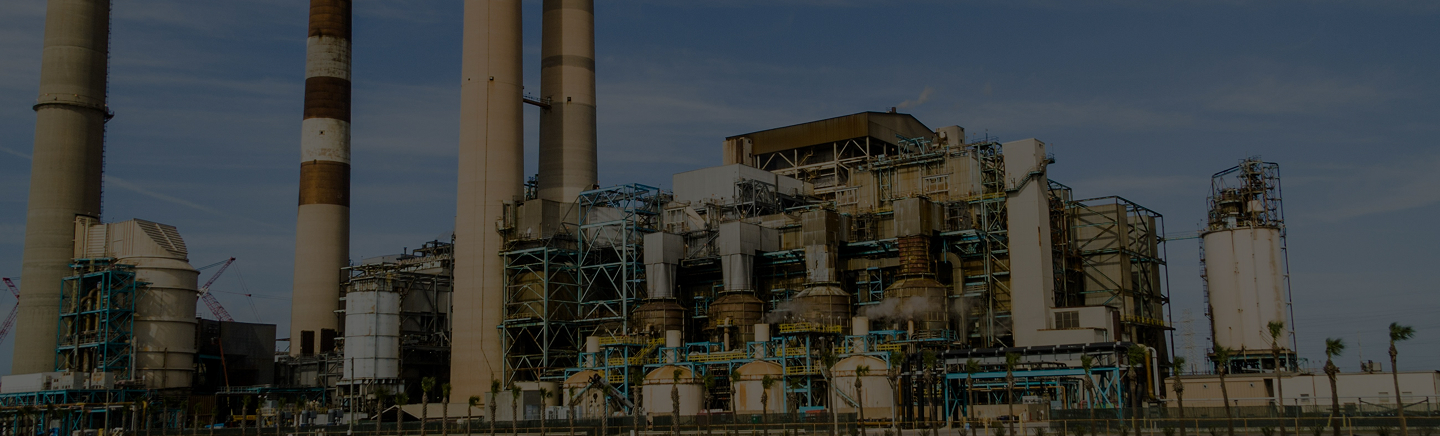
FRP Structural Systems & Ladders
Sugar plants work under the conditions when constant production, accurate working of equipment, and safety of processes are essential.
FRP Structural Systems & Ladders
FRP structural and ladder systems are designed to support highly reactive working conditions like corrosion, moisture, electrical exposure, or harsh chemicals. These non-corrosive systems are not chosen as alternatives, they are purpose-driven components, used in the long-term industry.
Creative Engineers offer FRP structural systems and ladders promising safe access, structural stability, and reliable performance under harsh operating conditions.

FRP Structural Systems Understanding
FRP structural systems are composed of load bearing profiles in the form of beams, channels, angles, handrails, platforms and support frames which are produced by fibre reinforced polymer composites. The profiles have structural functions and they do not degrade the environment.
FRP systems unlike steel structures need not be painted or to be corrosively coated hence they are applicable in the sites where there is little scope of maintenance or where shutdown is expensive.

Structural Integrity and Load Behaviour
FRP structural elements are constructed to support loads of a specific amount with the limitation of deflection under control. The load capacity is dependent on profile geometry, fibre orientation, resin system and support conditions.
Our design choice includes not only the consideration of the stationary loads (both the human and equipment) but also the external influences of the environment like wind exposure or temperature change. At Creative Engineers, we design structural systems in a way that provides sufficient stiffness and stability as per the requisites of industrial application.
Industrial Access Ladder Systems
FRP ladders are used to access elevated platforms & equipment offering vertical and inclined access.. The application of these non-corrosive FRP ladders is common in humid or chemical or electrically exposed sites.
FRP’s main characteristics are non-conductive attributes, resistance to corrosion, and non-slip rungs. Such features make them safer and less risky compared to the conventional metallic ladders.
Safety and Ergonomic Issues
One of the main factors that spur the use of FRP ladders and structures is their safety. At Creative Engineers, the spacing between ladders, the design of the rungs, the handrails, and cage requirements are also chosen on the basis of the safety norms and requirements in access.
The surface textures or grit finishes are used to increase the slip resistance especially during the wet or oily weather. We provide FRP structural systems for stable footing and stable handholds to carry out normal operations and maintenance works.
Discrete Architecture and Adaptability
FRP structural systems are also modular in nature hence the scope of flexibility in layout and installation is huge. Elements are configured to fit plant layouts, equipment interfaces and access ways.
This modularity allows it to adapt to both greenfield projects and retrofit installations in the already existing facilities. It also can be easily modified without disrupting production flow or even rebuilding the structure.
On-Site Installation and Assembly
The weight of the components is lower which means that installation of FRP structural systems and ladders is usually quicker than traditional materials. Lower weight makes it easy to handle and minimizes the need of lifting equipment.
At Creative Engineers, the mechanical fasteners are used to connect the parts of FRP together which gives the consistent assembly and the ease of further adjustment. Our installation practices are arranged to ensure alignment, load transfer and structural stability.
Aggression in Workplace Volatility
FRP systems are especially useful in places that are highly humid, have chemical vapours, salt, or are subjected to wash-downs. The resin systems are chosen to withstand certain chemical exposures that are experienced during industrial operations.
This resistance prevents material degradation, surface scaling and structural integrity loss in the long-term performance – which is reliable.
Electrical and Thermal Property
FRP is an electrically non-conductive material which can be used in location of electrical installations or high voltage equipment. This property improves the safety of the personnel and minimizes grounding.
FRP has low thermal conductivity compared to metals, which decreases the heat transfer in high-temperature areas and enhances comfort to the user during use.
Maintenance and Lifecycle Benefits
FRP structural systems have lesser maintenance needs than steel-based systems. Periodical checks are concerned with mechanical bondage and surface state and not the repair of corrosion.
This means that the cost of the lifecycle will be less and there will be predictable performances during the use of the structure because of the absence of rust and the use of fewer coatings.
Usages in Industrial Applications
FRP structural systems and ladders find applications in the power generation, water treatment, chemical processing, cement plants, steel plant, and infrastructure projects.
They are used in platforms of access, ladders of maintenance, handrails, equipment support, and secondary structural structures.
Integration with the Existing Structures
FRP systems do not need significant alteration to be incorporated in pre-existing steel or concrete structures. Its minor material structural Interface detailing guarantees a secure attachment and a differentiating material behaviour.
This is not only useful in upgrading or replacing facilities in operation but also in making facilities much safer through FRP.
We at Creative Engineers ensure FRP structural and ladder solutions that embrace safety, durability and practicality of the site. The systems are chosen and installed based on the operational requirements, regulatory requirements as well as long-term reliability.
Frequently Asked Questions
Can FRP structural systems be used in the case of load bearing?
Yes. With the right choice and installation, the FRP profiles are designed with specified loads.
What are the reasons for using FRP ladders near electrical equipment?
FRP is non-conductive, minimizing the risks of electrical hazard during access and maintenance.
What is the average of the FRP structure life?
FRP systems have a long service life and can be degraded minimally with proper choice and installation.
Are FRP systems applicable in the existing plants?
Yes. They are modular, which means what can be installed and retrofitted with minimum disruption.
Are FRP structures regularly painted or coated?
No. FRP materials are corrosion-resistant in nature and therefore do not need protective coats.

Your Trusted Partner in Industrial Fabrication.
Lorem ipsum dolor sit amet, consectetur adipiscing elit. Sed do eiusmod tempor incididunt ut labore et dolore magna aliqua. Ut enim ad minim veniam, quis nostrud exercitation ullamco laboris nisi ut.