


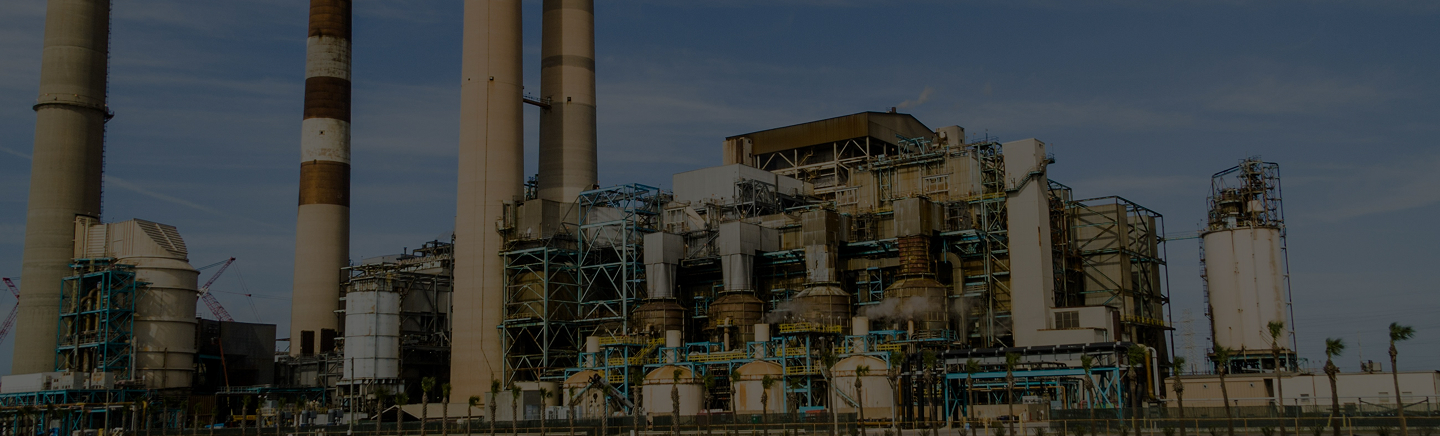
3D Design Support
Sugar plants work under the conditions when constant production, accurate working of equipment, and safety of processes are essential.
3D Design Support
In industrial projects, early design decisions shape how smoothly execution runs later. A drawing can look correct on paper yet still create fabrication delays, rework, or installation challenges when site realities are missed. This is where our support of 3D design comes in handy, not as a visual tool on its own, but as a planning and coordination tool.
Creative Engineers offer 3D design services to assist in translation of engineering intent into buildable and installable solutions to meet fabrication, site requirements, and operational requirements.

Importance of 3D Design in Industrial Works
2D drawings traditionally conveyed the dimensions, yet they tend to be interpretable in the situations where two or more systems are interacting. Mechanical, civil and structural components of a project hardly work in isolation.
With 3D design, our engineers visualise how components sit in space. This helps identify clashes, access restrictions, and installation difficulties before fabrication or site execution begins – reducing uncertainty and enabling better decisions early.

Concept to Constructible Design
Our 3D design support begins with the intended purpose of the system. It could be a structural platform, equipment support frame, access system, or mechanical assembly but we are concerned with how it is going to be made, shipped, and installed.
Designs are drawn up keeping in consideration constructability. The sizes of the members, the elements of connection, and the clearances are checked to make sure that they are not only theoretically correct but practical as well. The method facilitates the smooth implementation and reduced amendments during installation.

Supporting Fabrication Accuracy
Clear, accurate outputs matter on the shop floor. Our 3D models help generate views, sections, and fabrication-ready details that reduce ambiguity.
We show fabricators how components assemble by visualising weld positions, bolt connections, and assembly sequences. This improves dimensional accuracy and reduces misinterpretation during fabrication—leading to stronger fabrication outcomes.
Interdisciplinary Integration
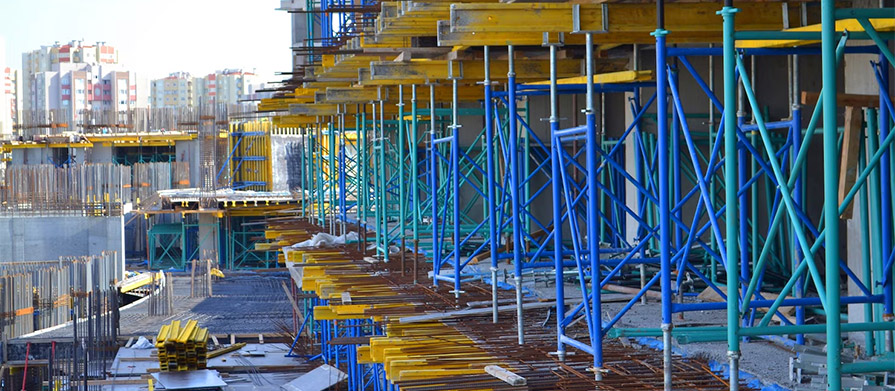
Industrial facilities involve multiple engineering disciplines working together. Mechanical equipment is supported by structural frames. Access systems must follow work paths. Civil foundations must match equipment loads and layouts.
Our 3D design support brings these elements into a shared reference. Our engineers check system interactions early to prevent clashes and alignment issues during execution – especially valuable in retrofit and brownfield projects where space is limited.
Design for Site Conditions
Each site has its own set of constraints: constraints of access, differences in elevation, preexisting structures, or in still operating operations. 3D design aids in considering these constraints at the design phase.
In creating designs, we take factors such as lifting paths, installation clearances, and accessibility of the workers into account. This prevents the possibility of last minute changes in the design and helps to execute the sites in a safer and efficient way.
Designing Supporting Equipment and Modifications
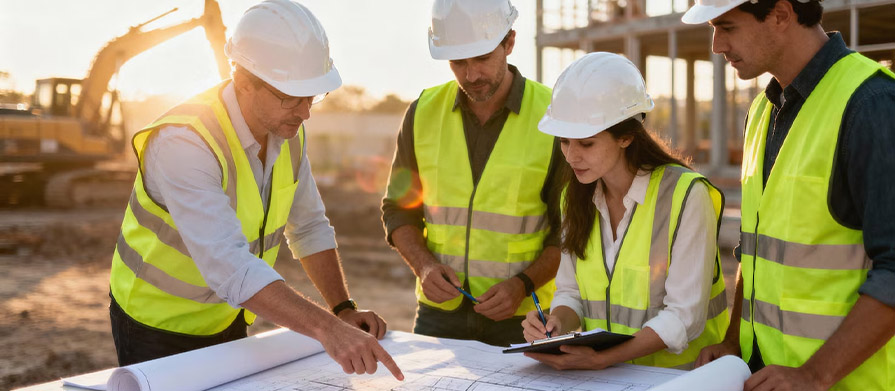
Layout accuracy is crucial when introducing new equipment or changing the existing systems. The equipment has to be installed in the available space without creating access problems either during operation or maintenance.
Our 3D design services assist in visualising the location of equipment, supporting structures and clearance around them. It comes in handy especially when upgrading, adding capacity or refurbishing an area and where the current layouts cannot be modified so easily.

Enhancing Transparency and Openness
Engineering drawings frequently pass through the hands of various stakeholders such as project managers, site teams, safety officers as well as clients. The interpretation of 2D drawings by all the stakeholders is not the same.
Our 3D models provide a clear shared reference, improving communication and helping non-design teams understand intent, identify issues early, and align expectations before work begins. Better clarity helps reduce execution risk.

Planning and Sequencing Support
Beyond design, our 3D models support planning. Installation sequences, assembly stages, and access planning can be visualised clearly. This helps execution teams understand workflow, coordination points, and practical sequencing – leading to fewer disruptions during fabrication and installation and improving overall site efficiency.

Integrity, Checks and Balances
Revisions are common in industrial projects due to site findings, operational feedback, or changing requirements. Our 3D design approach allows changes to be applied in a controlled sequence and reflected consistently across outputs. This reduces confusion and keeps design development structured and manageable.

Real-Life Application of Design Tools
We adopt 3D design and drafting tools which are industry standard and applicable in mechanical, structural and civil applications. We emphasize not only on visual richness but precision, readability and usability.
Our design outputs are designed in such a way as to facilitate downstream processes like fabrication detailing, material planning and installation.
Why Choose us
Clients work with Creative Engineers to reduce uncertainty and strengthen execution confidence. Our engineers collaborate closely with engineering and site teams, discussing designs in a practical, build-focused way.
Our design support is driven by simplicity, organisation, and constructability – helping enable easier fabrication, lower-risk installation, and consistent long-term usability.
Frequently Asked Questions
Why do we need 3D design support in an engineering project?
It assists in visualisation of systems, trouble spotting of issues early and enhances constructability.
Does 3D design necessarily need to be applied in large projects?
No. It is also useful in small changes and retrofits.
What is the effect of 3D design in terms of execution risk reduction?
By detecting conflicts, access control, and alignment problems in advance before fabrication.
Is it possible to produce fabrication drawings by use of 3D designs?
Yes. They favor proper detailing and more definite fabrication results.
Is 3D design a substitute for 2D drawings?
No. It is used to supplement 2D drawings to enhance the clarity and coordination.

Your Trusted Partner in Industrial Fabrication.
Lorem ipsum dolor sit amet, consectetur adipiscing elit. Sed do eiusmod tempor incididunt ut labore et dolore magna aliqua. Ut enim ad minim veniam, quis nostrud exercitation ullamco laboris nisi ut.